
Children's Week
From 9 to 12 March 2026 at the Maison Française d'Oxford
A week exploring new frontiers, infant cognition, emotions, and care, including the history of children’s health, while rethinking classic themes such as work, children’s art and literature, and naturalist approaches to learning.

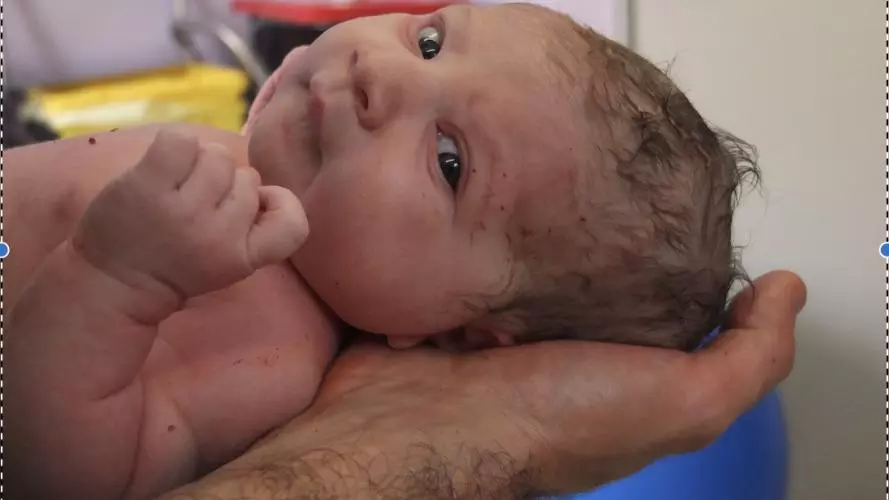
By Alex1ruff - Own work, CC BY-SA 4.0, https://commons.wikimedia.org/w/index.php?curid=48367982
Convened by Stéphane Van Damme (MFO Director)
Emerging as a historiographical field in the 1960s under the impetus of Philippe Ariès, the history of childhood long occupied a fragmented position, split between the study of literary and artistic representations, the sociology of the family, the sciences of education, and labour history. Following the pioneering scholars-some of whom, such as the historian Didier Lett, are invited to this Week-historical research on childhood has gradually become institutionalised within academia. In this respect, the Oxford Centre for the History of Childhood has played a key role in making research on childhood visible in Great Britain.
Bringing together a range of disciplinary perspectives (anthropology, psychology, psychoanalysis, sociology, and history), this Childhood Week will showcase new approaches in the social sciences and humanities. As the sociologist Régine Sirota has observed, "we have moved from an invisible childhood to the child as a genuine cause," whether through recognition of children's rarity and preciousness in the context of advances in biomedicine, or through analysis of the widespread fascination with childhood that characterises contemporary societies. This growing awareness-embodied in the Convention on the Rights of the Child-has also drawn attention to issues such as abuse and children at risk.
This Childhood Week seeks to reflect these renewed scholarly perspectives by addressing emerging topics such as infant cognition, emotions, and care, including the history of children's hospitalisation, while also revisiting more established themes such as work, children's art and literature, and naturalist approaches to learning. It will highlight avenues of scholarly renewal by questioning how childhood has been defined across different periods and societies, from transnational, imperial, and global perspectives. In turn, this body of research has shaped early childhood policies, fostering an expert milieu that challenges educational institutions and lends legitimacy to alternative forms of education. Keynote lectures, round-table discussions, and film screenings will punctuate the event. From the poor child to the "wild" child, from the workshop to the classroom, this Childhood Week offers an opportunity to reflect on a shared future for childhood in a time of uncertainty.